A few years ago, I sat with the CEO of a fast-growing company in Dubai. Within ten minutes he had told me the problem, the cause and the solution. His team, he said, simply wasn't "stepping up." I asked him one question: "When did you last ask them what they think?" He went quiet for a long time.
That silence is where most leadership transformations begin. Not with a new strategy or a restructure — but with the uncomfortable realisation that we have been talking when we should have been listening.
The telling trap
Most leaders are promoted because they were good at having answers. So when they lead, they keep supplying answers. It feels efficient. It feels like leadership. But every time a leader answers a question their team could have answered themselves, they quietly teach the team to stop thinking.
Over time, this creates exactly the team the CEO was complaining about: capable people waiting to be told what to do.
What curiosity actually looks like
Curiosity is not a personality trait. It's a skill — and like any skill, it can be practised. In coaching we teach three simple moves:
- Pause before you answer. Count to three. Often someone else will fill the silence with a better idea.
- Ask open questions. "What options do you see?" invites thinking. "Have you tried X?" shuts it down.
- Listen for what isn't said. Hesitation, energy, the word they keep repeating — that's where the real conversation is.
📌 Key takeaways
- Answering everything trains your team to stop thinking.
- Curiosity is a learnable leadership skill, not a personality type.
- Pause, ask open questions, and listen for what isn't said.
Enjoying this?
Get one essay like this every month.
Five questions to start with on Monday
- What's on your mind?
- What would you do if I wasn't here?
- What's the real challenge here for you?
- What have you already tried?
- How can I best support you?
Try just one of these in your next one-to-one. Then notice what happens to the energy in the room.
💭 A question to sit with
In my last important conversation, how much of the time was I talking — and how much was I truly listening?
The leader as coach
The CEO I mentioned started his next leadership meeting with a single question and then said nothing for twenty minutes. Afterwards, one of his directors told him it was the best meeting they had ever had. Nothing about the business had changed. Only the leader had.
That's the work. Not to have every answer — but to create the space where better answers can appear.
Until next month,
Haris
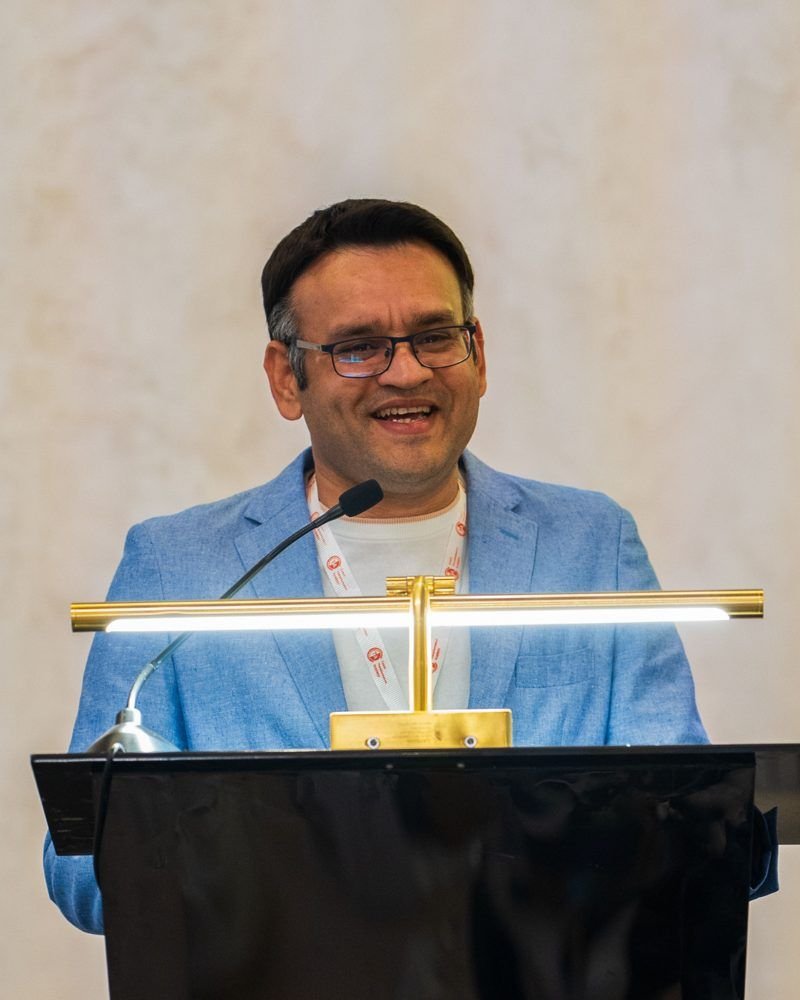
Written by Haris Syed
ICF Master Certified Coach (MCC), IMC Certified Master Mentor (CMM), founder & CEO of Coach Transformation Academy and Team Transformation. He has worked with over 100,000 people across the world.
More about Haris →Want to talk this through?
Book a free 20-minute discovery call with Haris.